The Art of Strategy
Board games, particularly strategy games, offer a unique platform for enhancing decision-making skills. Engaging in these games requires players to evaluate multiple factors, anticipate opponents’ moves, and consider the long-term consequences of their choices. Mix Parlay not only sharpens critical thinking but also cultivates a strategic mindset that can be applied in various real-life situations, from personal decisions to professional challenges.
Playing strategy board games encourages players to think critically about their options. Each turn presents a set of choices that can significantly impact the game’s outcome. For instance, in games like **Settlers of Catan**, players must assess resource availability, negotiate with others, and plan their moves carefully to optimize their position. This constant evaluation of potential outcomes helps players develop a habit of weighing pros and cons before making decisions, a skill that is invaluable in everyday life.
Strategy games often require players to think several steps ahead. This forward-thinking approach is essential for success in games like **Chess** or **Ticket to Ride**, where anticipating an opponent’s strategy can be the difference between victory and defeat. By practicing this kind of long-term planning in a game setting, players can improve their ability to strategize in real-world scenarios, such as project management or financial planning.
Another significant benefit of playing strategy board games is the opportunity to learn from mistakes in a low-stakes environment. Players can experiment with different strategies, face the consequences of their decisions, and adjust their approaches in subsequent games. This iterative process fosters resilience and adaptability, teaching players that failure is often a stepping stone to success. The ability to analyze what went wrong and how to improve is a crucial aspect of effective decision-making.
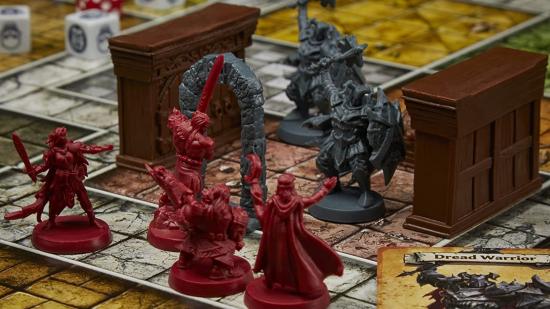
Many strategy games also involve social interaction, requiring players to negotiate, collaborate, or compete with others. This social dimension adds another layer to decision-making, as players must consider not only their own strategies but also the motivations and potential actions of their opponents. Engaging in this type of interaction can enhance communication skills and emotional intelligence, both of which are essential for making informed decisions in group settings.
Interestingly, strategy games can also serve as a form of stress relief, allowing players to focus their minds on the game rather than external pressures. This mental engagement can improve clarity of thought and decision-making under pressure. By immersing themselves in the game, players can develop a calm and focused mindset that translates well to high-stress situations in their personal and professional lives.
In summary, board games, especially strategy-focused ones, are powerful tools for improving decision-making skills. They encourage critical thinking, long-term planning, and learning from mistakes while also enhancing social skills and providing a stress-relieving escape. By incorporating board games into your routine, you can cultivate a strategic mindset that benefits various aspects of life, making you a more effective decision-maker both on and off the board.